Understanding Medicare Eligibility
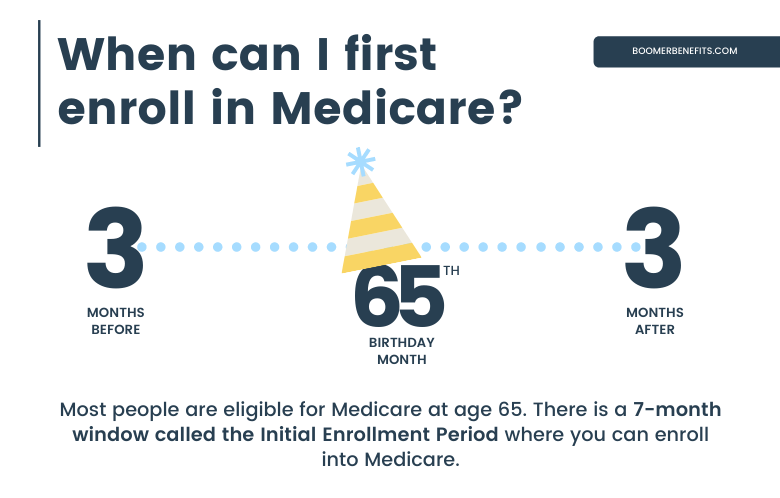
Medicare eligibility primarily depends on age and certain health conditions. Generally, individuals become eligible for Medicare when they turn 65 years old, but younger individuals with disabilities or specific diseases, such as End-Stage Renal Disease, may also qualify. Understanding these eligibility criteria is crucial for seniors to access the healthcare benefits they need.
In addition to age, individuals must be U.S. citizens or permanent residents to qualify for Medicare. It's important to note that those who have worked and paid Medicare taxes for at least 10 years typically receive premium-free Part A coverage. For others, there may be monthly premiums associated with certain parts of Medicare, emphasizing the need for seniors to review their eligibility and options carefully.
Medicare vs. Medicaid: Key Differences
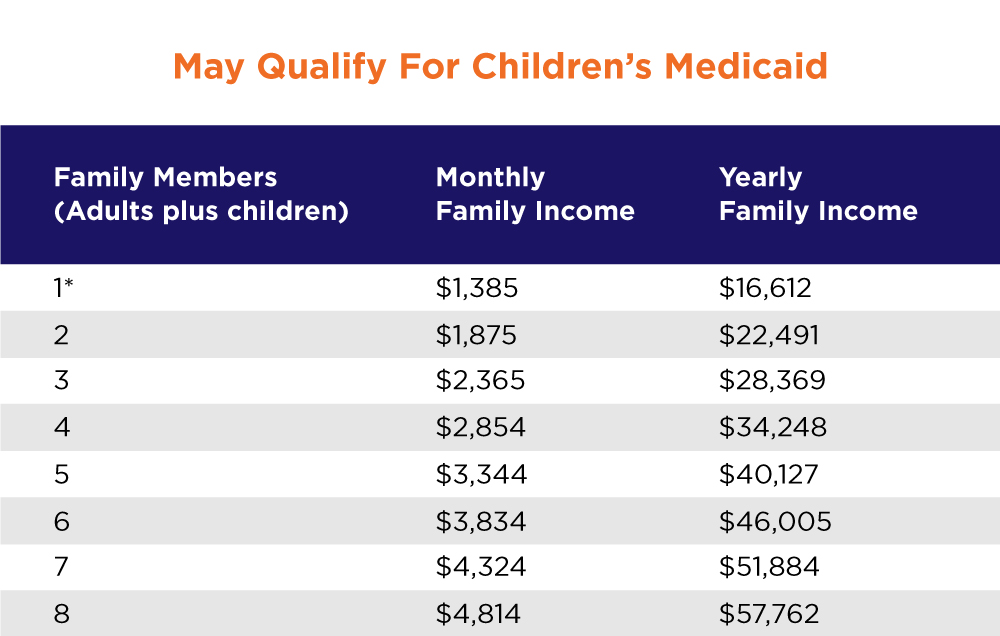
While both Medicare and Medicaid serve essential roles in providing healthcare coverage, they differ significantly in their structure and purpose. Medicare is a federal program designed mainly for seniors aged 65 and older, while Medicaid is a state and federal program that assists low-income individuals, regardless of age. Understanding these differences is vital for families navigating healthcare options.
Medicare primarily covers hospital stays, outpatient services, and preventive care, whereas Medicaid offers a broader range of services, including long-term care, personal care assistance, and even transportation for medical appointments. This distinction can greatly affect individuals' healthcare choices, making it essential for users to comprehend which program may better meet their needs.
How to Apply for Medicare and Medicaid
Applying for Medicare is a straightforward process that can be completed online, by phone, or in person at local Social Security offices. It's important for applicants to gather necessary documentation, such as proof of age and work history, to ensure a smooth application process. Understanding the enrollment periods is also crucial to avoid penalties.
On the other hand, applying for Medicaid may vary by state, as each state has its own application process and eligibility requirements. Typically, individuals can apply through their state’s Medicaid agency, and many states offer online applications. It's advisable for applicants to check their state's specific guidelines and gather required financial documentation to facilitate their application.
Benefits of Each Program
Both Medicare and Medicaid offer unique benefits tailored to their respective populations. Medicare provides essential health services, including hospital care, doctor visits, and preventive services like screenings and vaccinations, which are vital for maintaining health in older adults. Additionally, Medicare offers various plans that allow beneficiaries to choose coverage that best suits their healthcare needs.
Conversely, Medicaid covers a broader range of services, particularly for those who require long-term care or assistance with daily living activities. This includes nursing home care and in-home support services, which are crucial for individuals with chronic illnesses or disabilities. Understanding the specific benefits of each program can help users make informed decisions regarding their healthcare coverage.
Understanding Medicare Eligibility
Medicare eligibility primarily depends on age and certain health conditions. Generally, individuals become eligible for Medicare when they turn 65 years old, but younger individuals with disabilities or specific diseases, such as End-Stage Renal Disease, may also qualify. Understanding these eligibility criteria is crucial for seniors to access the healthcare benefits they need.
In addition to age, individuals must be U.S. citizens or permanent residents to qualify for Medicare. It's important to note that those who have worked and paid Medicare taxes for at least 10 years typically receive premium-free Part A coverage. For others, there may be monthly premiums associated with certain parts of Medicare, emphasizing the need for seniors to review their eligibility and options carefully.
Medicare vs. Medicaid: Key Differences
While both Medicare and Medicaid serve essential roles in providing healthcare coverage, they differ significantly in their structure and purpose. Medicare is a federal program designed mainly for seniors aged 65 and older, while Medicaid is a state and federal program that assists low-income individuals, regardless of age. Understanding these differences is vital for families navigating healthcare options.
Medicare primarily covers hospital stays, outpatient services, and preventive care, whereas Medicaid offers a broader range of services, including long-term care, personal care assistance, and even transportation for medical appointments. This distinction can greatly affect individuals' healthcare choices, making it essential for users to comprehend which program may better meet their needs.
How to Apply for Medicare and Medicaid
Applying for Medicare is a straightforward process that can be completed online, by phone, or in person at local Social Security offices. It's important for applicants to gather necessary documentation, such as proof of age and work history, to ensure a smooth application process. Understanding the enrollment periods is also crucial to avoid penalties.
On the other hand, applying for Medicaid may vary by state, as each state has its own application process and eligibility requirements. Typically, individuals can apply through their state’s Medicaid agency, and many states offer online applications. It's advisable for applicants to check their state's specific guidelines and gather required financial documentation to facilitate their application.
Benefits of Each Program
Both Medicare and Medicaid offer unique benefits tailored to their respective populations. Medicare provides essential health services, including hospital care, doctor visits, and preventive services like screenings and vaccinations, which are vital for maintaining health in older adults. Additionally, Medicare offers various plans that allow beneficiaries to choose coverage that best suits their healthcare needs.
Conversely, Medicaid covers a broader range of services, particularly for those who require long-term care or assistance with daily living activities. This includes nursing home care and in-home support services, which are crucial for individuals with chronic illnesses or disabilities. Understanding the specific benefits of each program can help users make informed decisions regarding their healthcare coverage.